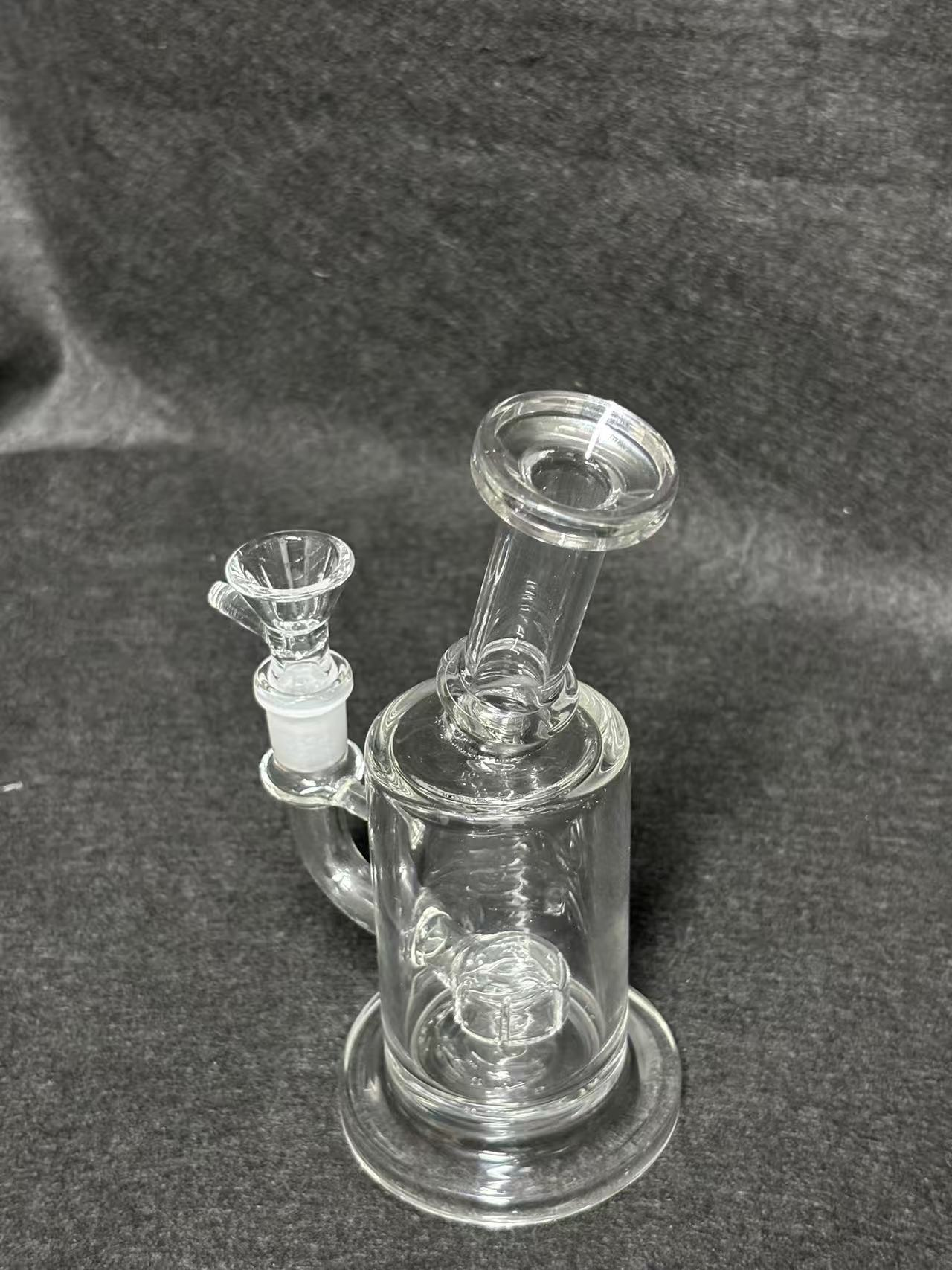
Glass bongs are easy to browse and harder to compare well. The best pieces are not defined by one feature alone but by how the base, chamber, joint, and percolation work together in everyday use. Buyers exploring glass bongs usually make better choices when they focus on stability, airflow, and maintenance instead of visual detail alone.
Quick answer
A dependable glass bong should feel stable, draw smoothly, and stay easy to clean rather than relying on appearance or thickness claims alone.
At a glance
- Compare base support, chamber balance, and bowl fit together.
- Use perc layout as a function check, not only as a style feature.
- Prefer pieces that remain easy to rinse and maintain after repeated use.
Related product path
Start with the glass bongs category and then compare matching bong accessories for replacement parts.
Wall thickness and glass distribution decide whether the bong feels stable
When buyers compare heavy glass bongs, the first useful question is not only how tall the piece looks in a product photo. It is how the glass mass is distributed across the base, tube, neck, and joint area. A bong that carries more material around the lower chamber and base usually feels more planted on the table and less top-heavy during routine handling.
Thickness also changes the product in practical ways. Heavier wall sections usually improve the feeling of durability and reduce stress around the joint, but they also add weight that changes how the bong should be lifted, stored, and cleaned. That is why a well-made glass bongs piece should be judged by geometry and balance as much as by advertised thickness.
Joint fit, perc layout, and water level influence daily airflow
A thick bong can still feel disappointing if the joint fit is rough, the downstem sits too high or too low, or the percolator layout creates drag without improving filtration. The most useful product checks are whether the bowl fits cleanly, whether the water line stays consistent around the perc openings, and whether the draw remains open after a few sessions.
Heavy pieces often perform best when airflow is matched to chamber volume. Too much restriction can make the bong feel sluggish, while too little diffusion can make the hit feel sharp. Buyers who want a stable daily setup usually benefit from pairing the piece with dependable bong accessories so replacement bowls, downstems, and cleaning parts stay easy to source.
How to judge durability without turning the bong into a maintenance problem
Daily durability comes from a combination of wall thickness, base width, weld quality, and how easy the piece is to clean. A very complex shape may look premium, but if the chamber traps residue and forces awkward brush access, the user ends up fighting the bong instead of enjoying it. Simpler routes for water flow and cleaning often create a better long-term experience.
BongSup works best when heavy-glass products stay practical: solid base support, clear product fitment, and easy replacement access for the components that wear or break first. That is what turns a visually strong bong into a genuinely dependable daily-use product.